You have probably noticed it. You go to buy a new phone, laptop, or pair of headphones and the price is higher than you expected. You double-check the model. You compare a few stores. The price is just... higher than it used to be.
This is not your imagination. Gadget prices are rising across the board in 2026, and the reasons behind it are surprisingly straightforward once you understand what is happening inside the devices you buy. The short version: artificial intelligence is eating the chip industry, and everyone is paying for it.

The AI Chip Demand Driving Everything Up
At the heart of the price increases is a single, powerful force: the global race to build AI. Every major tech company — from Google and Microsoft to Meta and Apple — is investing billions into AI infrastructure. That infrastructure runs on specialised chips called GPUs and AI accelerators, and the demand for them is extraordinary.
When AI companies consume chips at record scale, two things happen. First, chip manufacturers like TSMC, Samsung, and Intel prioritise their most profitable, highest-volume customers. Second, the raw materials, factory capacity, and specialist labour required to make those chips become scarcer and more expensive for everyone else.
In May 2026, Reuters reported that Micron — one of the world's largest memory chip makers — joined the trillion-dollar market cap club, powered almost entirely by surging AI demand for its products. Around the same time, SK Hynix, another major memory chipmaker, also crossed the trillion-dollar valuation mark. These are not just financial milestones. They signal that the companies making the building blocks of every gadget you buy are operating at extraordinary scale and commanding extraordinary prices.
This flows directly into the cost of every phone, laptop, tablet, and smart home device that uses advanced memory chips — which is almost all of them.
Memory Chips: The Hidden Cost Behind Every Device
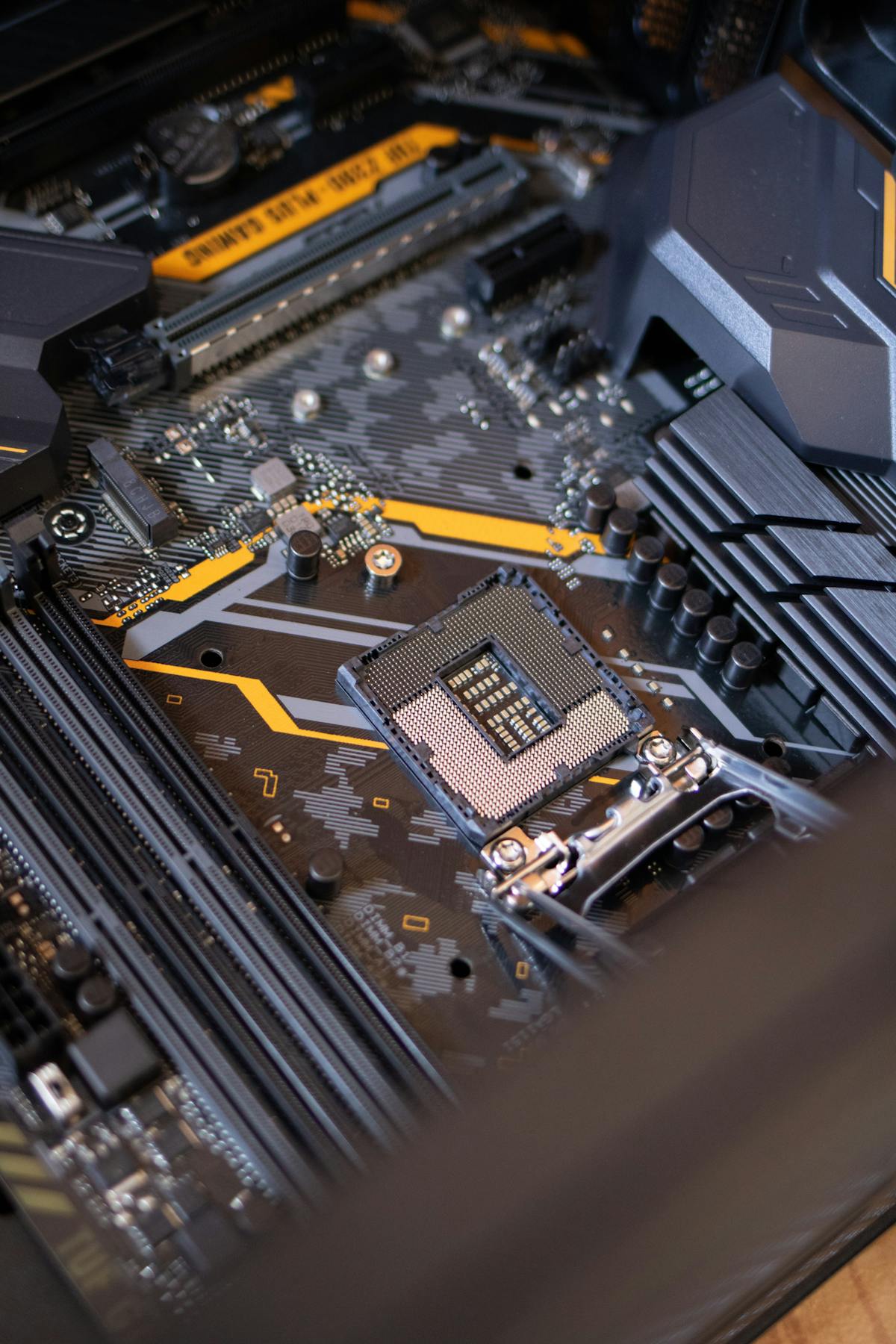
Most people think of the processor as the expensive part of a phone or laptop. Memory chips — the components that store your apps, photos, and the operating system — are often overlooked. But they account for a significant portion of every device's manufacturing cost.
AI is changing the memory landscape dramatically. AI models require enormous amounts of fast, high-bandwidth memory to function efficiently. A smartphone running on-device AI features uses far more memory than one running traditional software. This demand has pushed memory chip prices upward, and those costs are passed directly to consumers.
Reuters reported in October 2025 that the AI boom was already stoking prices of even "less trendy" memory components — the basic chips found in everything from budget phones to smart home speakers. In other words, even products that are not marketed as AI devices are getting more expensive because the components inside them have become more valuable.
Samsung's Galaxy S26: A Real-World Price Increase
For a concrete example of what this looks like in practice, look at Samsung's Galaxy S26. Reuters reported in February 2026 that Samsung lifted prices for the S26 in key markets, explicitly citing chip price surges as the cause.
The Galaxy S26 is one of the best-selling premium Android phones in the world. Its price increase is not an isolated decision — it reflects a cost reality that every major phone maker is facing. Apple, Google, and others are navigating the same pressures, with similar implications for their upcoming device launches.
If you want to understand the full picture of what modern AI phones offer and why people are willing to pay more for them, our breakdown of why AI phones are becoming the future of smartphones covers everything the new hardware enables.
Premium Feature Creep: Why Brands Keep Adding AI to Everything
Beyond chip costs, there is another force pushing prices up: the relentless addition of AI features to every product category, whether users asked for them or not.
Consider a robot vacuum from two years ago versus one today. Two years ago, it cleaned floors. Today, it maps your home in 3D, identifies objects with a camera, empties its own dustbin, communicates with your other smart home devices, and runs a local AI model that learns your cleaning preferences over time.
All of those features cost money to build. The sensors, the more powerful chips needed to run AI locally, the cameras, the self-emptying mechanism — every addition to the product adds to its price. And because companies are competing on features as much as price, the feature set keeps expanding upward.
This premium feature creep is visible across every gadget category. Headphones now have AI-powered noise cancellation that adapts in real time. Smart speakers now run local AI models. Even smart glasses, as we covered in our article on why AI smart glasses could be the next big gadget in 2026, are packing AI chips that would have been server-grade hardware five years ago.
Which Products Are Most Affected?
Not every gadget has seen the same level of price increase. Here is where consumers are feeling it most:
- Flagship smartphones — The premium tier has moved upward. Phones that cost £999 two years ago now cost £1,099 or more, with AI hardware justified as the differentiator.
- AI laptops — New laptops with dedicated NPUs (neural processing units) for running AI locally command a significant price premium over standard models.
- Smart home hubs and displays — Devices capable of running local AI models cost more than their cloud-dependent predecessors.
- Wearables with AI — Smartwatches and AI glasses with on-device processing are at the premium end of the category.
- Gaming hardware — AI upscaling and frame generation features in GPUs are now standard, pushing graphics card prices higher.

Are Budget Devices Still Worth Buying?
The encouraging news for budget-conscious buyers is that the benefits of AI are gradually trickling down the price ladder. Chips that were high-end two years ago are now mid-range. Software improvements can unlock AI features on existing hardware. And the competition between manufacturers keeps pressure on pricing across all tiers.
A mid-range phone in 2026 is genuinely capable of running AI features that would have required flagship hardware in 2024. For most users — those who primarily browse, take photos, stream video, and use communication apps — a well-chosen mid-range device remains excellent value.
The key is understanding what you are actually paying for at the top end. Premium prices are currently driven by on-device AI chip performance, display quality, camera systems, and build materials. If you do not need cutting-edge AI processing on your device, there is strong value in the £400-£600 range for phones and the sub-£700 range for laptops.
For broader context on how smart home tech is being affected by this shift, our article on why smart home gadgets are suddenly getting smarter shows how AI hardware changes are reshaping the entire home device market, not just phones.
How Ordinary Buyers Can Respond
Given these trends, here are practical strategies for getting the best value in 2026:
- Buy last year's flagship, not this year's mid-range — A previous-generation premium phone often outperforms a current mid-range model for the same price, especially in camera and processor performance.
- Consider refurbished devices — Certified refurbished phones and laptops from reputable sellers offer significant savings with warranties attached.
- Wait for the announcement, then buy the predecessor — When a new flagship is announced, the previous model drops in price immediately. That window is the best time to buy.
- Assess which AI features you will actually use — If you will not use real-time AI translation or on-device image generation, you do not need to pay for the hardware that enables them.
- Check trade-in values — Phone trade-in programmes have become generous as manufacturers compete for upgrade customers. An existing device often has more value than you expect.

Frequently Asked Questions
Will gadget prices come down again?
Likely yes, but gradually. As chip manufacturing capacity expands, memory production scales, and competition increases, prices should moderate. However, the shift to AI-embedded hardware represents a permanent baseline increase — devices are genuinely more complex and capable than they were five years ago.
Is the AI in new gadgets worth paying for?
It depends on the feature. Real-time translation, on-device photo processing, and personalised health monitoring are genuinely useful for many users. Marginal AI features added for marketing purposes are less worth paying for. Reading honest reviews that separate marketing from real-world utility is more important than ever.
Why are chips so important to gadget prices?
Chips are the brain and memory of every electronic device. Their cost, availability, and performance directly determine what a device can do and what it costs to make. When chip prices rise — as they have due to AI demand — the cost increase ripples through every product that uses them.
Should I buy a gadget now or wait?
If you have an immediate need, buying now is fine. Waiting rarely results in significantly lower prices in the current environment — new, more expensive models replace cheaper ones. The exception is waiting for a model transition moment, when the previous generation drops in price after a new launch.
What Comes Next
The gadget price story in 2026 is really two stories running in parallel. At the top end, prices are rising because AI is genuinely transforming what devices can do, and the hardware required to do it is expensive. At the bottom end, the innovations of three years ago are becoming affordable, keeping genuine value available for budget buyers.
The smartest move is understanding which tier matches your actual needs. Not everyone needs an AI-powered flagship — but for those who do, what they are getting in return has never been more impressive. If you want to see how the latest wave of AI gadgets is reshaping the wearables category specifically, our article on Meta's smartwatch comeback and why wearables are getting smarter in 2026 covers the premium side of the AI hardware story.