A few years ago, handheld gaming felt like a niche hobby. Something for commuters and teenagers. Today, it is one of the fastest-growing segments in all of consumer electronics — and the brands investing in it are not playing around.
In 2026, portable gaming devices are no longer just toys. They are premium tech products with serious hardware, serious price tags, and a surprisingly wide audience.
Here is why this is happening — and why it matters even if you have never called yourself a gamer.
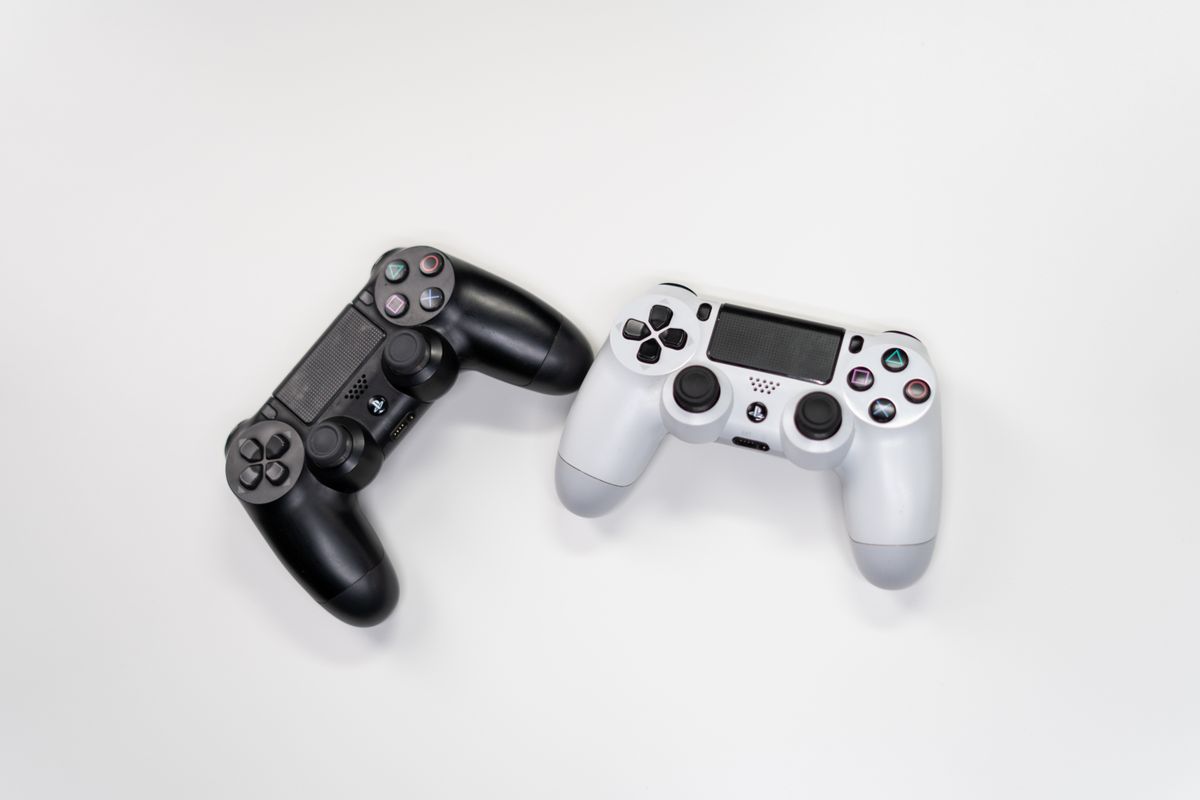
The Handheld Gaming Comeback Is Real
Portable gaming peaked with the original Game Boy era, faded with smartphones, and is now roaring back — but this time with PC-level hardware stuffed into a device you can hold in two hands.
The numbers back it up. According to Reuters, the global video game market is on a strong growth trajectory through 2027, powered in part by the rise of portable and hybrid gaming formats. More people want to play full games anywhere — not just at a desk or on a TV.
The Nintendo Switch proved the concept. Now a wave of competitors is pushing the idea much further.
What Modern Chips Are Making Possible
The secret to the handheld gaming boom is silicon. Modern chips are getting faster and more power-efficient at the same time — a combination that was previously impossible.
Intel's upcoming Arc G3 Extreme chip, designed specifically for handheld and compact gaming PCs, promises console-level graphics in a form factor that fits in a backpack. Acer is reportedly working on its Predator Atlas 8 — a handheld built around these next-generation Intel processors, with a debut expected at Computex 2026.
When a chip can run demanding games at high frame rates while lasting four to six hours on battery, portable gaming stops being a compromise. It becomes a real alternative to sitting at a desk.

Why These Devices Are Getting More Expensive
Here is the trade-off nobody loves to talk about: handheld gaming PCs are getting pricey. Very pricey.
The MSI Claw 8 EX AI is reportedly edging toward a $2,000 price point — closer to a high-end laptop than a traditional gaming handheld. Premium displays, powerful processors, fast storage, long-lasting batteries, and solid build quality all cost money to engineer at this scale.
This is part of a broader pattern in consumer tech. If you want to understand why gadgets across the board are getting more expensive in 2026, this breakdown explains the forces driving prices up across the industry.
For handheld gaming specifically, the price is justified by a simple argument: you are getting a full gaming PC that fits in your hands. When you frame it that way, $1,500 starts to look like a value proposition.
How They Compare to Phones, Laptops, and Consoles
It is a fair question. You already have a phone. Maybe a laptop. Why would you buy a gaming handheld?
- vs. Phones: Phones are not built for extended gaming sessions. Small screens, no physical controls, and thermal throttling under sustained load make them a frustrating experience for demanding games.
- vs. Laptops: Laptops are powerful but not portable in the same way. You need a table, a power outlet, and a comfortable posture. A handheld works anywhere.
- vs. Consoles: Home consoles are tethered to a TV and a room. Handhelds give you the same library of games with the freedom to play on a plane, in a waiting room, or on a couch across the house.
The handheld gaming PC sits in a sweet spot none of those categories fully cover.

Why Regular People — Not Just Gamers — Are Buying Them
This is where the trend gets interesting. The audience for premium handheld gaming devices is not just hardcore gamers.
Frequent travelers are buying them for long flights. Remote workers are using them as wind-down devices after meetings. Adults who grew up gaming but no longer have time to sit at a desk are rediscovering games in a format that fits their lifestyle.
The handheld gaming device is becoming a lifestyle gadget — in the same category as premium headphones or a high-end tablet. It signals something about who you are and how you spend your leisure time.
If you are curious how this connects to the broader shift in premium mobile technology, take a look at why AI phones are reshaping what we expect from pocket-sized devices.
Is This a Real Trend or Just Hype?
Every tech cycle has its hype products. So it is fair to ask whether handheld gaming PCs are the real deal or just a moment.
The evidence points toward real. Multiple major brands — MSI, Acer, Lenovo, Asus — are all investing heavily in the segment simultaneously. Intel is designing chips specifically for it. Game studios are optimizing titles for handheld form factors. The infrastructure of the trend is building out in every direction.
When that many companies bet on the same category at the same time, it is rarely just hype.

What to Expect in the Next 12 Months
Computex 2026 is expected to be a defining moment for handheld gaming. Multiple manufacturers are rumored to announce new devices, including Acer's Predator Atlas 8 and updated models from other key players.
Prices will likely stay high in the near term as brands chase premium buyers. Over time, as chip costs fall and competition increases, mid-range handheld gaming PCs will reach a wider audience.
The era of handheld gaming as a premium tech category has officially begun.
Frequently Asked Questions
Are handheld gaming PCs worth the price?
If you travel frequently, lack a gaming setup at home, or want flexibility in when and where you play, they offer genuine value. For casual gamers, the price may be hard to justify right now.
How do handheld gaming PCs run games?
Modern handheld gaming PCs run full PC games through platforms like Steam. They are essentially compact Windows computers with dedicated gaming controls built in.
What is the best handheld gaming device in 2026?
Options vary by budget and use case. The Asus ROG Ally X, Lenovo Legion Go, and upcoming Intel Arc G3-powered devices from Acer and MSI are among the most discussed in 2026.
Will phone gaming ever replace handheld gaming PCs?
Phones are improving but are fundamentally constrained by thermal limits, small screens, and the absence of physical controls. Dedicated handheld gaming hardware will continue to offer a meaningfully different experience.
The Bottom Line
Handheld gaming gadgets are not a niche toy anymore. They are the next premium consumer tech category — built on serious hardware, aimed at a wider audience than ever, and priced accordingly.
Whether you are a lifelong gamer or someone who has never touched a controller, these devices represent something worth paying attention to. The question is not whether this trend is real. The question is which device you will pick up first.
If you want to explore the bigger picture of where consumer gadgets are headed, our guide to the biggest tech announcements shaping 2026 is a great place to start.