A few years ago, a "smart home" meant turning your lights on with your phone instead of a switch. Impressive for a minute, then mostly pointless. The devices were expensive, unreliable, and genuinely hard to set up. Most people tried one or two products and gave up.
Something has shifted. The smart home gadgets arriving in 2026 feel meaningfully different. They are faster, more intuitive, and far more capable — not because the hardware has improved dramatically, but because AI has finally arrived in the home.

What Changed: AI Arrived in the Home
The original generation of smart home devices was built around simple automation. If this happens, do that. Turn the lights off at 10pm. Set the thermostat to 68 degrees at 7am. These rules were useful but rigid — the device did exactly what you told it, nothing more.
AI-powered smart home devices operate differently. Instead of following rules, they learn patterns. A smart thermostat no longer just executes your schedule — it studies when you are usually home, when rooms are occupied, how long it takes to reach your preferred temperature, and adjusts proactively. After a few weeks, the house just feels right without you doing anything.
At CES 2026, physical AI dominated the showroom floor. Robots, smart displays, and connected appliances were all running AI models locally — meaning the intelligence lives in the device, not a distant server. This is a critical shift for both speed and privacy.
Smart Speakers: Finally Earning Their Place
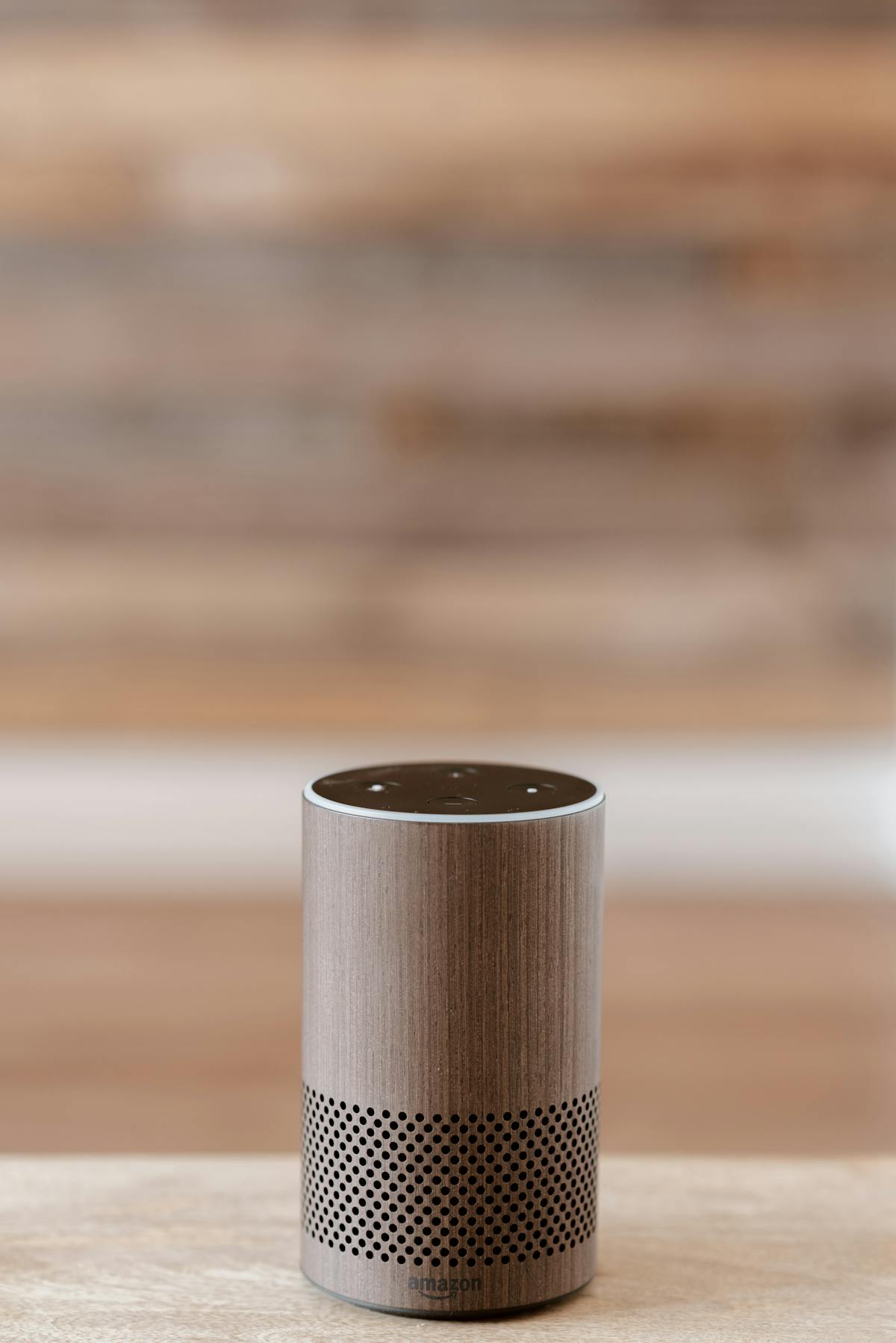
Smart speakers have been in millions of homes for years, but the experience often felt limited. The assistant misheard you, gave generic answers, and could not understand follow-up questions. You learned to speak to it like a command prompt, not a conversation.
That frustration is being resolved. The latest generation of AI voice assistants can follow multi-step conversations, remember context from earlier in the same chat, understand ambiguous phrasing, and connect to a much wider range of services and devices.
More importantly, they can now proactively help. Your smart speaker might notice you usually ask for the weather after your morning alarm and start telling you before you ask. It might remind you of a meeting because it noticed you have not mentioned preparing for it. This shift from reactive to proactive is where smart speakers start feeling genuinely useful.
Smart Displays: The Home Hub That Actually Works
Smart displays — screens with built-in AI assistants — are becoming the central control panel for connected homes. Placed in a kitchen, living room, or hallway, they provide a visual interface for your entire home system.
In 2026, a good smart display can show your security camera feeds, control every connected device in your home, display recipe instructions while you cook, run video calls, stream entertainment, and serve as a digital photo frame when idle. The best ones use AI to understand who is approaching and customise what they show — your schedule when you walk by in the morning, your favourite music player when you enter the kitchen in the evening.
This context-awareness is what makes them feel genuinely intelligent rather than just a tablet screwed to a wall. As we explored in our coverage of how AI search is changing the internet, the same contextual AI powering smarter search is now embedded in the devices around your home.
Robot Vacuums: From Bumping Around to Mapping Everything
Robot vacuums are one of the best examples of how AI has transformed a product category almost overnight. The first robot vacuums were simple: they moved until they hit a wall, turned, and moved again. They cleaned eventually, but inefficiently.
Today's AI-powered robot vacuums use LiDAR sensors, computer vision cameras, and machine learning to build detailed 3D maps of your home. They know which rooms they have cleaned, which areas need more attention, where your furniture is, and how to navigate around a dog sleeping on the floor.
The latest models can empty their own dustbins, mop floors with precise water dispensing, detect when a floor type changes from carpet to tile, and resume exactly where they left off after recharging. Some models can identify and photograph debris — so if your child left Lego on the floor, the vacuum takes a photo and sends it to your phone before cleaning around it.
- AI mapping creates efficient cleaning routes rather than random paths
- Computer vision avoids obstacles like cables, shoes, and pets
- Self-emptying bases mean weeks without manual intervention
- Room-specific settings allow carpet modes, gentle settings for delicate surfaces, and targeted cleaning

Home Security Gadgets: AI as Your Second Pair of Eyes
Smart home security used to mean a camera that recorded everything and sent you alerts whenever anything moved — including a tree branch or passing car. Alert fatigue made these systems more annoying than useful.
AI-powered security devices in 2026 are fundamentally smarter. They can distinguish between a person, a vehicle, an animal, and a moving shadow. They know the difference between your family members, your regular delivery driver, and an unfamiliar person. They send you an alert only when something genuinely unusual happens.
Reuters has reported on how AI home monitoring technology is also being explored as a support tool for elderly populations — watching for unusual patterns in movement that might indicate a fall or health issue, and alerting family members or carers automatically. This application turns a security product into a welfare tool, expanding the audience far beyond home owners worried about burglary.
Connected Appliances: The Fridge That Knows You Are Out of Milk
Connected appliances have been a punchline for years. The smart fridge that tells you what is inside was always the example of technology solving a problem nobody actually had.
In 2026, the execution has caught up with the concept. AI fridges now use internal cameras and weight sensors to genuinely track what is inside — and they automatically add items to your shopping list when stock runs low. Smart ovens can identify what dish you have placed inside and automatically set the right temperature and timer. Smart washing machines select the optimal cycle for the clothes inside based on weight, fabric type, and soil level.
The key change is that these appliances are actually learning your preferences rather than just following generic settings. After a month of use, a smart washing machine knows you prefer your white shirts on a cooler cycle to protect the fabric. That personalisation is what turns a gimmick into a genuinely useful tool.
If you are also interested in how AI is reshaping the devices you carry rather than the ones in your home, check out our article on why AI phones are becoming the future of smartphones for a broader picture of where personal tech is heading.

The Privacy Reality of Always-On Devices
The elephant in every smart home is privacy. Devices that listen for wake words, watch for motion, and learn your daily patterns are collecting a significant amount of data about your private life.
The honest answer is that the risk is real and the tradeoff is personal. Companies have improved their privacy tools significantly — local processing means more data stays on-device rather than going to cloud servers, and clearer privacy dashboards let users see and delete what is stored. But the fundamental exchange of personal data for personalised convenience remains.
Understanding this tradeoff is important before building out a connected home. Choosing products from companies with clear data policies and strong local-processing capabilities significantly reduces the risk. This also connects to the broader conversation covered in our article on how wearables are getting smarter in 2026 — privacy concerns follow AI-powered devices wherever they go.
Frequently Asked Questions
Are smart home gadgets difficult to set up?
They have become significantly easier. Most modern smart home devices use QR code pairing or automatic network discovery, and major platforms like Google Home, Amazon Alexa, and Apple HomeKit provide unified apps that control everything in one place. A basic smart speaker or smart bulb can be set up in under five minutes.
Do smart home devices work without an internet connection?
Increasingly, yes. Many 2026 smart home devices process AI locally, meaning core functions work even when your internet is down. Full feature sets, voice commands that require server processing, and remote access still need connectivity, but basic automation and smart controls often work offline.
Is it expensive to build a smart home?
It does not have to be. You can start with a single smart speaker for under £30 and expand gradually. Budget-friendly smart bulbs, plugs, and cameras are widely available. A fully automated home with premium appliances is expensive, but a meaningfully smarter home is accessible at almost any budget.
Which smart home platform should I choose?
Google Home, Amazon Alexa, and Apple HomeKit are the three main ecosystems. Your best choice usually depends on which smartphone you use. Google Home works best with Android, HomeKit with iPhone, and Alexa is the most device-compatible of the three. The new Matter standard is also making cross-platform compatibility much easier.
The Home Is Finally Getting Smarter
The smart home has been a promise for a decade. In 2026, it is becoming a reality — not because the devices are flashier, but because the intelligence running them has matured. AI is what changed everything.
The gadgets are not just connected anymore. They are contextual, predictive, and genuinely useful. A home that learns your routine, anticipates your needs, and gets out of your way is not a luxury. It is the direction that all consumer technology is moving — and smart home gadgets are leading the charge. For more on how AI is reshaping the gadget ecosystem, explore our piece on why AI smart glasses could be the next big gadget in 2026.