Think about what you had on you ten years ago. A wallet. A camera. A laptop bag. Maybe a separate GPS. A book or magazine. A music player.
Now think about what you have today. A phone.
That's it. One rectangle of glass and metal that replaced all of it — and then kept going.
The Smartphone as Everything
The concept of "one device living" isn't new — tech writers have predicted it since the first iPhone. What's new in 2026 is how complete the transition has become. It's no longer a lifestyle choice for early adopters. It's the default experience for hundreds of millions of people worldwide.
Your phone is your:
- Wallet. Apple Pay, Google Pay, contactless cards, loyalty cards, boarding passes. The physical wallet is increasingly redundant.
- Camera. Flagship smartphones now rival dedicated cameras for most use cases. Computational photography and real-time AI editing have compressed the gap dramatically.
- Entertainment system. Netflix, YouTube, Spotify, podcasts, ebooks, games. A device in your pocket contains more entertainment than a DVD collection ever could.
- Workspace. Email, documents, spreadsheets, video calls, project management tools. Many people run entire businesses from their phone alone.
- Navigation device. Turn-by-turn directions, real-time traffic, live transit maps. Better than any standalone GPS ever was.
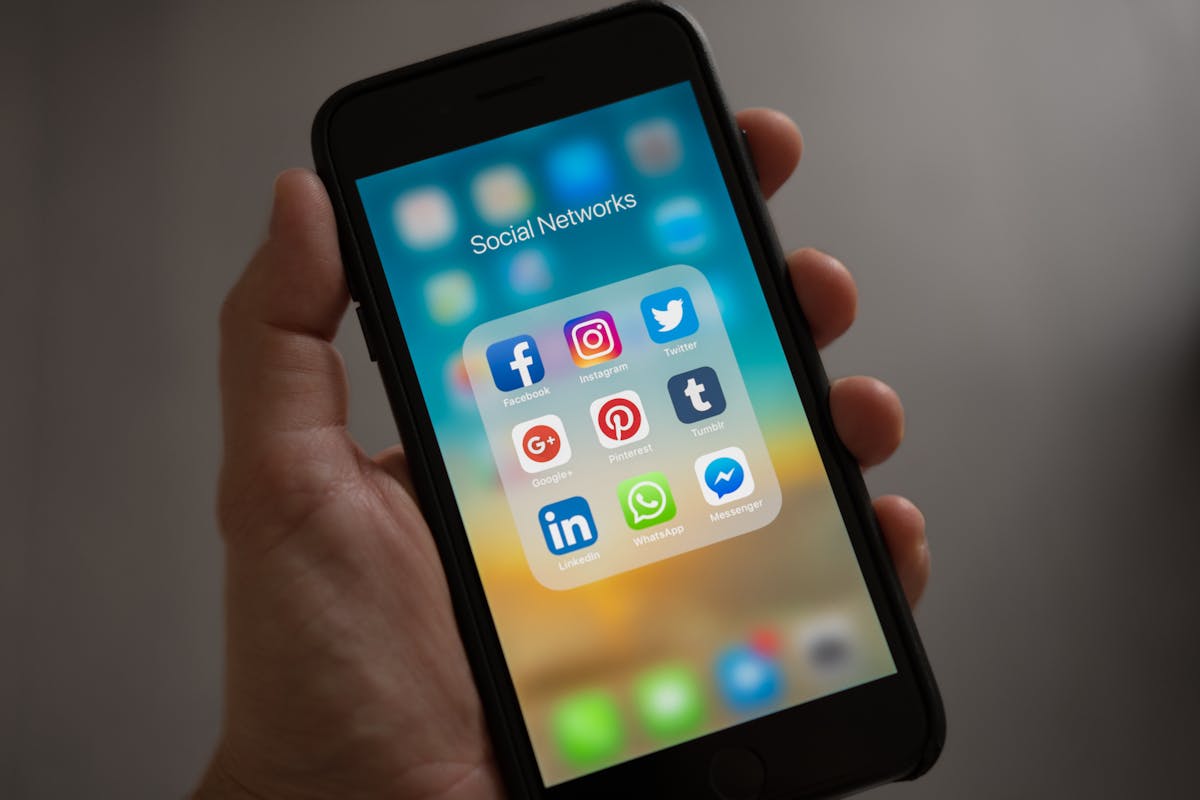
- Social life. Messaging, social media, dating apps, community groups. The phone is where most social interaction now begins and often ends.
- Shopping tool. Price comparisons, one-tap checkout, delivery tracking. Retail has moved to mobile.
- Study tool. Flashcard apps, lecture recordings, research tools, AI tutors. Students increasingly live in their phone.
Why Laptops Are Getting Less Attention
The laptop isn't dead — but its role has quietly shifted. For many people, it's a secondary device opened for specific tasks: long writing projects, complex spreadsheets, design work, or video editing. Everything else? Phone.
This shift is especially pronounced in markets where many people first experienced the internet through a smartphone, not a PC. But it's also increasingly true in developed markets.
Research from 2025 found that people under 30 spend less than two hours per day on laptops — down from over four hours in 2019. Smartphone screen time went in the opposite direction. Mobile apps have aggressively optimised for productivity, and what once required a full computer now fits comfortably in a phone interface.
How Apps Replaced Physical Tools
The replacement of physical objects happened so gradually that most people didn't notice until they looked back.
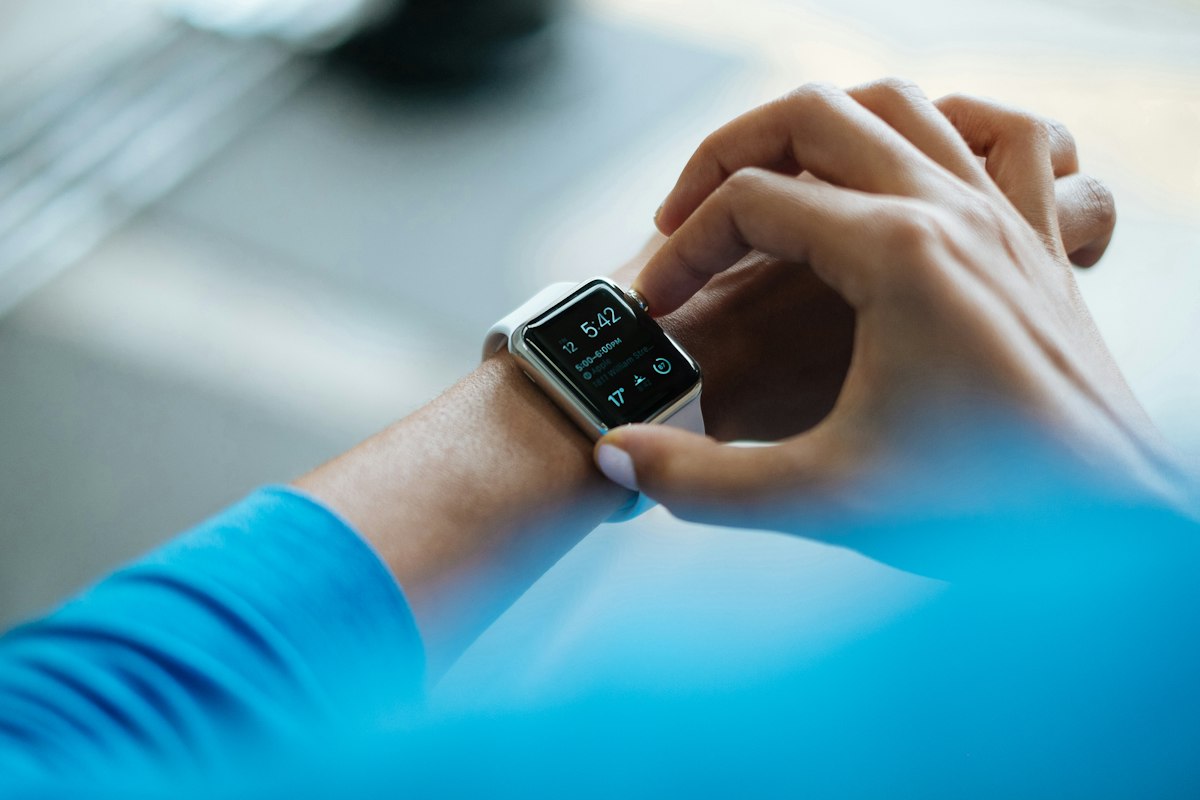
Your camera roll contains photos that would have required a dedicated camera, memory card, and editing software. Your notes app replaced notebooks. Your maps app replaced an entire physical map industry. Your podcast app replaced radio.
And then AI arrived and accelerated it further. Phone AI now scans receipts, translates signs in real time, identifies objects from photos, transcribes voice memos, generates images, writes emails, and answers complex questions. The phone has become genuinely intelligent — not just a screen you tap but a cognitive assistant you carry.
For students especially, the shift has been profound. As we covered in how AI tools are changing the way students study in 2026, AI-powered apps have transformed how people learn, research, and take notes — almost entirely from mobile devices.
The Psychology of Carrying Your Entire Life
Here's the part nobody talks about enough: what does it do to you, psychologically, when your entire life — your money, your memories, your relationships, your work, your entertainment — is sitting in one device in your pocket?
The positives are real. Convenience, connection, capability. The ability to solve problems instantly that would have required significant effort even a decade ago.
But the psychological weight is real too.
Phone anxiety — the low-level stress of needing to check your device, fearing you've missed something, worrying about its battery — affects a growing proportion of people. When one device holds your financial access, social connections, and work responsibilities simultaneously, the cost of losing it or running out of battery feels disproportionately catastrophic.

Is Your Phone Becoming Too Powerful?
When a single device has access to your bank accounts, private messages, location history, health data, social graph, and work files simultaneously, the consequences of that device being compromised are enormous. One phishing click. One lost phone. The damage is total, not partial.
There are also concentration-of-dependency concerns. A handful of companies — Apple, Google, Samsung — effectively control the platforms through which billions of people access their entire digital lives. Platform decisions — app store removals, policy changes, pricing shifts — can affect how people access their own data and tools.
AI phones are intensifying this further. As we explored in why AI phones are becoming the future of smartphones, on-device AI is making phones dramatically more powerful — and more central to everything people do.
The Hidden Costs of One-Device Dependency
Battery anxiety: Everything depends on the battery. Running out of charge doesn't just mean you can't check Instagram — it means you can't navigate, pay for things, or receive work messages. Battery management has become a genuine life skill. See our guide on making your Android battery last all day for practical strategies.
Data security: All your eggs in one basket means one breach affects everything. Two-factor authentication, strong passwords, and device encryption are not optional for one-device living — they're essential.
Screen time: When your phone is your wallet, your camera, your TV, your office, and your social life, there is no natural stopping point. Managing screen time with a device that's also legitimately essential is a genuinely hard problem.
Getting More from Your One Device
If your phone is doing this much, it deserves to be configured properly. The tools that genuinely save hours every week — as we covered in the AI tools actually saving people hours every week — are increasingly mobile-first. Automation, AI assistants, smart notifications — these aren't extras. They're how you keep one device from becoming an overwhelming device.
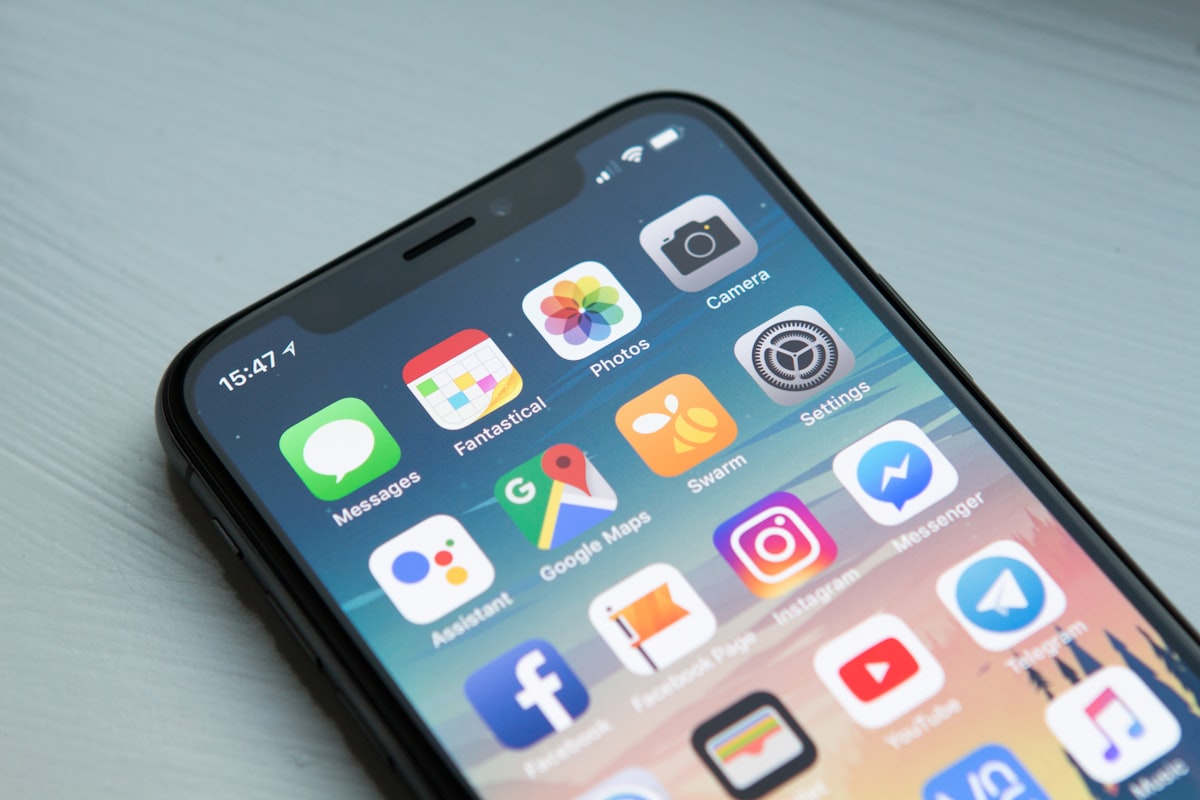
- Organise ruthlessly. If your home screen is a chaos of 80 apps, every useful task takes longer than it should. Curate your phone like you'd curate your desk.
- Automate the repetitive. Shortcuts and automation apps can eliminate dozens of daily manual interactions.
- Protect the battery like it matters. Because it does. Optimised charging, background app management, and power modes are worth understanding.
- Have a backup plan. One device means one point of failure. Know what you'd do if it broke tomorrow.
Frequently Asked Questions
Is one-device living sustainable long-term?
For most daily tasks, yes. Smartphones in 2026 are powerful enough to genuinely replace laptops for communication, browsing, navigation, payment, and light productivity. For intensive tasks — video editing, complex design, programming — a secondary device still makes sense. Most people don't do those tasks regularly enough to need a dedicated computer.
What are the biggest risks of relying on one device?
Battery dependency, data security, and device loss are the three main risks. When one device holds everything, you need strong security (biometrics, encryption, strong PINs), a solid backup strategy, and awareness of battery health. The convenience is real; so is the vulnerability.
Are young people really using laptops less?
Research consistently shows declining laptop usage among under-30 users for everyday tasks. The laptop persists for specific productivity-intensive work, but casual computing — browsing, messaging, shopping, content consumption — has largely migrated to mobile.
Does one-device living affect mental health?
The evidence suggests it can. Carrying your entire professional and personal life in one device blurs work-life boundaries and increases phone-checking behaviour. Deliberate habits — notification management, scheduled screen-free time, separate work and personal app organisation — help mitigate the psychological effects.
What should I do if I lose my primary device?
Recovery requires preparation. Keep cloud backups active, store emergency contacts somewhere physical or with a trusted person, keep your bank's phone number noted outside your phone, and ensure you can access authentication apps from another device. Plan for the one-device scenario where your device is unavailable.
One Rectangle. Everything.
The smartphone's conquest of daily life is so complete it barely registers anymore. The question in 2026 isn't whether you're a one-device person — most people already are. The question is whether you're making that one device work well for you, or simply letting it work on you.
Configure it intentionally. Protect it properly. Use the tools that genuinely help. And occasionally put it down — because knowing when not to use the most powerful device ever made is its own essential skill.