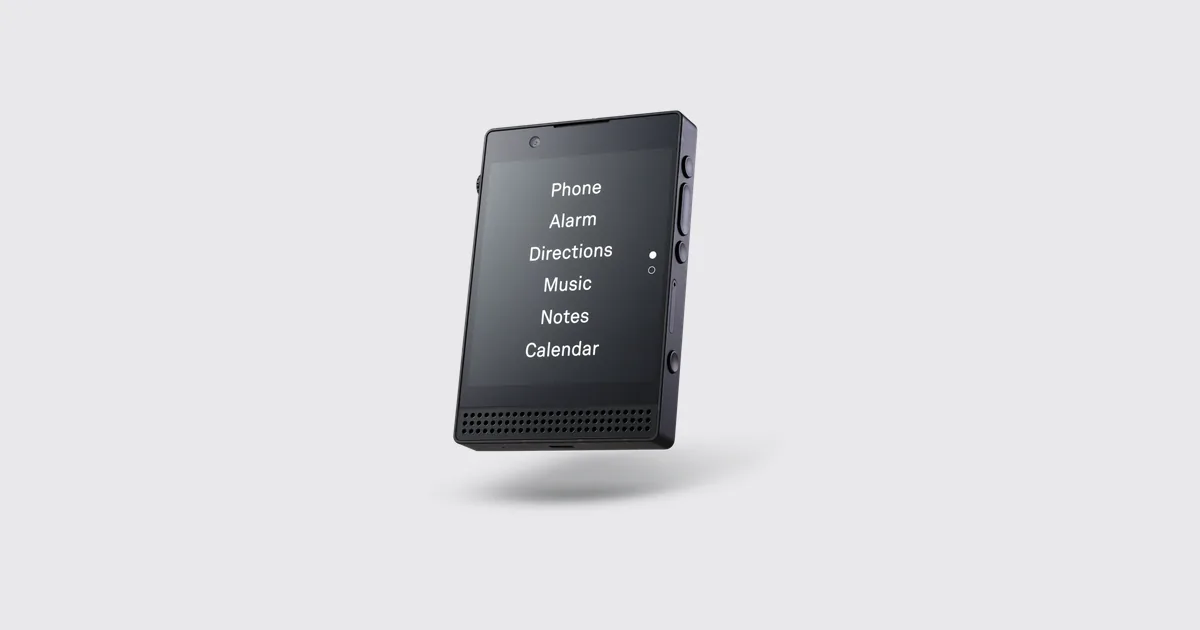
The Light Phone is the best-known "dumb phone" that isn't really dumb: a calm, black-and-white handset that makes calls, sends texts, runs a short list of useful tools and then gets out of the way. This guide covers what the Light Phone III does, what it costs, who should buy it and which alternatives from Mudita, Punkt and others are worth a look. It is based on published reviews and manufacturer specs, not our own hands-on testing. Prices were checked on 24 October 2026 and change often, so confirm them before you order.
Quick Verdict: Is the Light Phone Worth It?
For most people, not as a first step. The Light Phone III is beautifully built and deliberately limited. Vice found it surprisingly close to a smartphone in feel, Consumer Reports saw it as a more practical screen-time fix than most, and Engadget argued the minimalism can tip into frustration. It makes sense if you already know you want to carry less, can handle banking, email and work chat on a laptop, and are comfortable paying $899 or taking a monthly bundle. If you are curious rather than committed, a cheaper trial will teach you more.
| Light Phone III | Mudita Kompakt | Punkt MP02 | Wisephone II | |
|---|---|---|---|---|
| US price | $899 | $399 | From CHF 299 | $399 + $39 activation + subscription |
| Screen | 3.92-in black-and-white AMOLED | 4.3-in E Ink | Small monochrome, T9 keypad | Full-size Samsung touchscreen |
| Network | 5G | 4G LTE | 4G | 5G |
| Maps | Directions tool | Offline maps | None | Maps and Waze |
| Best for | Touchscreen texting, premium design | Reading, privacy, battery life | Strict calls and texts | WhatsApp and maps, no browser |
What the Light Phone Is: Models and History
Light, a small Brooklyn company, makes phones meant to be used as little as possible. The line so far:
- Light Phone (2017): a credit-card-sized, calls-only 2G phone with a tiny LED display and a T9 keypad, launched at $150.
- Light Phone II: added a 2.84-inch E Ink touchscreen, 4G and texting. It launched at $350 and has reportedly been winding down as the III takes over.
- Light Phone III: announced in June 2024 and shipping from March 2025, with an AMOLED screen, a camera and 5G.
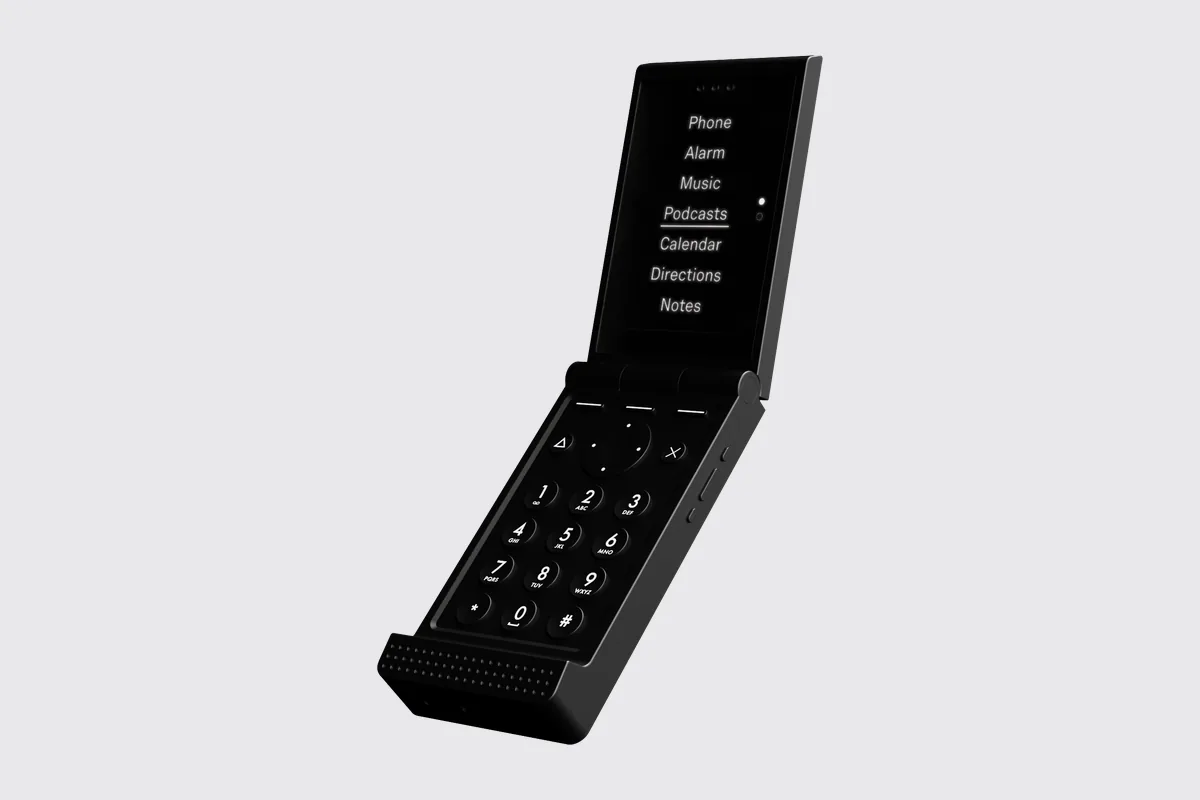
- Light Flip: announced in July 2026, a $299 T9 flip phone with a plastic body and no touchscreen, due to ship from April 2027.
Light Phone III: Features, Price and Display
Display. A 3.92-inch AMOLED screen (1080 x 1240, about 419 ppi) behind matte glass. The interface is black and white, but photos are captured in colour. It is not E Ink; that was the Light Phone II.
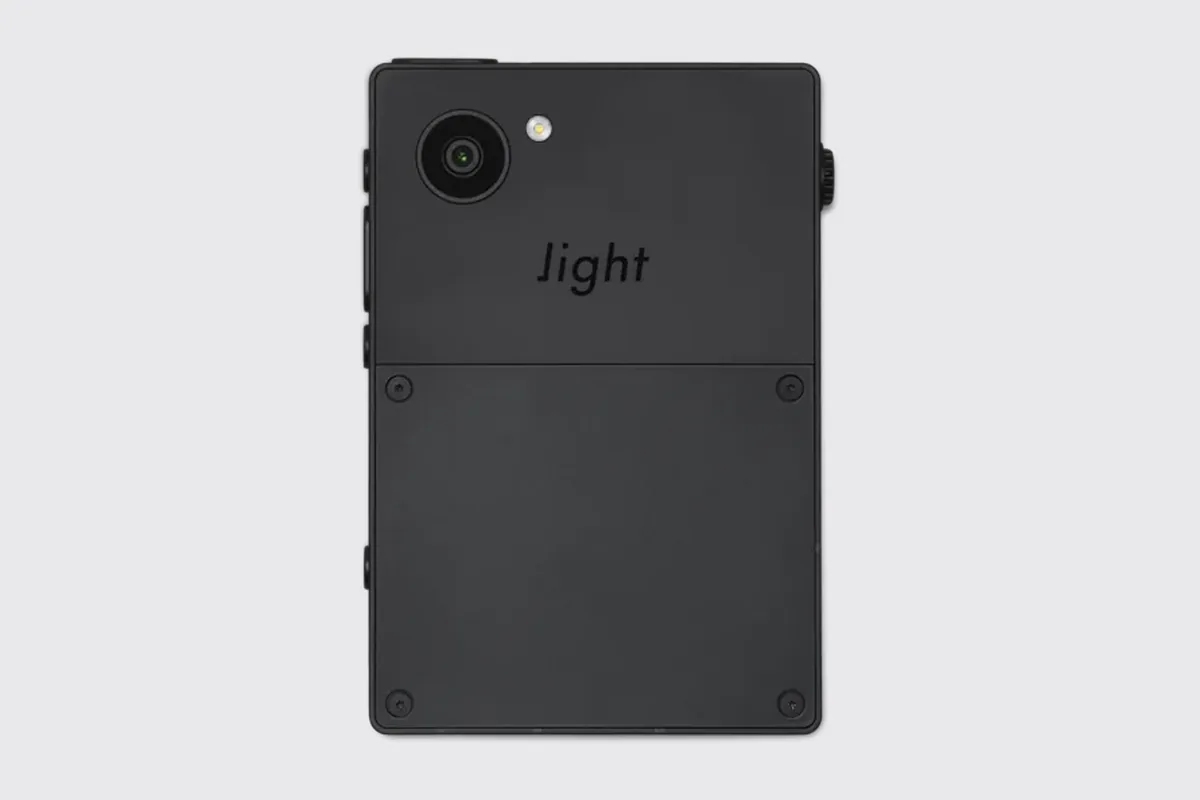
Hardware. Aluminium frame, Snapdragon 4 Gen 2, 6 GB of RAM, 128 GB of storage, 5G, Wi-Fi, Bluetooth 5.0, GPS, fingerprint sensor and IP54 splash resistance. It takes a nano-SIM plus an eSIM (still labelled beta), weighs 124 g and has a user-replaceable 1,800 mAh battery. Light estimates a day of normal use, with one to three days possible. There is no headphone jack, no wireless charging and no charger in the box.
Camera. A 50 MP rear sensor outputs 12 MP images at a fixed focal length near 28 mm, with a dedicated shutter button and an 8 MP front camera.
Tools. Calls, texts (including photos and audio messages), alarm, timer, calculator, calendar, notes, voice memos, directory, directions, weather, hotspot, music and podcasts (music is uploaded as files), an authenticator for two-factor codes, and Uber and Lyft rideshare. Not included: social media, a browser, email, WhatsApp or streaming. The interface and keyboard are English only.
Light Phone 3 price. The price has moved a lot. Pre-orders in 2024 started at a promotional $399 against a $799 list price, the phone shipped in 2025 at $599, and mid-2026 coverage cites $699 to $799. Light's store and October 2026 roundups list $899 unlocked, or from $59 a month on a two-year bundle that includes Light Service. Tax and shipping are extra, and delivery is by reservation. Light Service is optional: $25 a month with 1 GB or $45 unlimited, in the US and Canada only.
Light Phone III Pros and Cons
Pros
- Build quality that reviewers compare with flagship phones.
- A matte, glare-resistant screen and a calm interface with no feeds or ads.
- A better camera than most minimalist phones, plus 5G, hotspot, directions and rideshare.
- Unlocked, dual-SIM, with a replaceable battery and a Light repair service.
Cons
- The price, the highest in this category.
- Owners repeatedly complain about typing and group messaging, and photos sent by text are heavily compressed.
- Some owners report random restarts and resets; Light has shipped fixes, including one in September 2026.
- Battery life varies widely between owners.
- No WhatsApp, Signal or streaming, and no headphone jack.
- Carrier gaps and strict returns once the box is opened (see the FAQ).
Who Should Buy a Light Phone, and Who Should Skip It
Buy it if you want a polished touchscreen phone with a camera and directions, you have a laptop or tablet for banking, email and work, you can move chats off WhatsApp or live with the friction, and money is not the obstacle.
Skip it if you depend on WhatsApp, Signal, banking apps or work messaging on your phone, you text a lot, your carrier is unsupported, or you would rather test the idea cheaply first.
Best Light Phone Alternatives
| Phone | US price | What it is | Watch out for |
|---|---|---|---|
| Mudita Kompakt | $399 | 4.3-in E Ink phone with offline maps, an 8 MP camera, a headphone jack and up to six days of standby | 4G only; slower screen; sideloaded apps are unsupported |
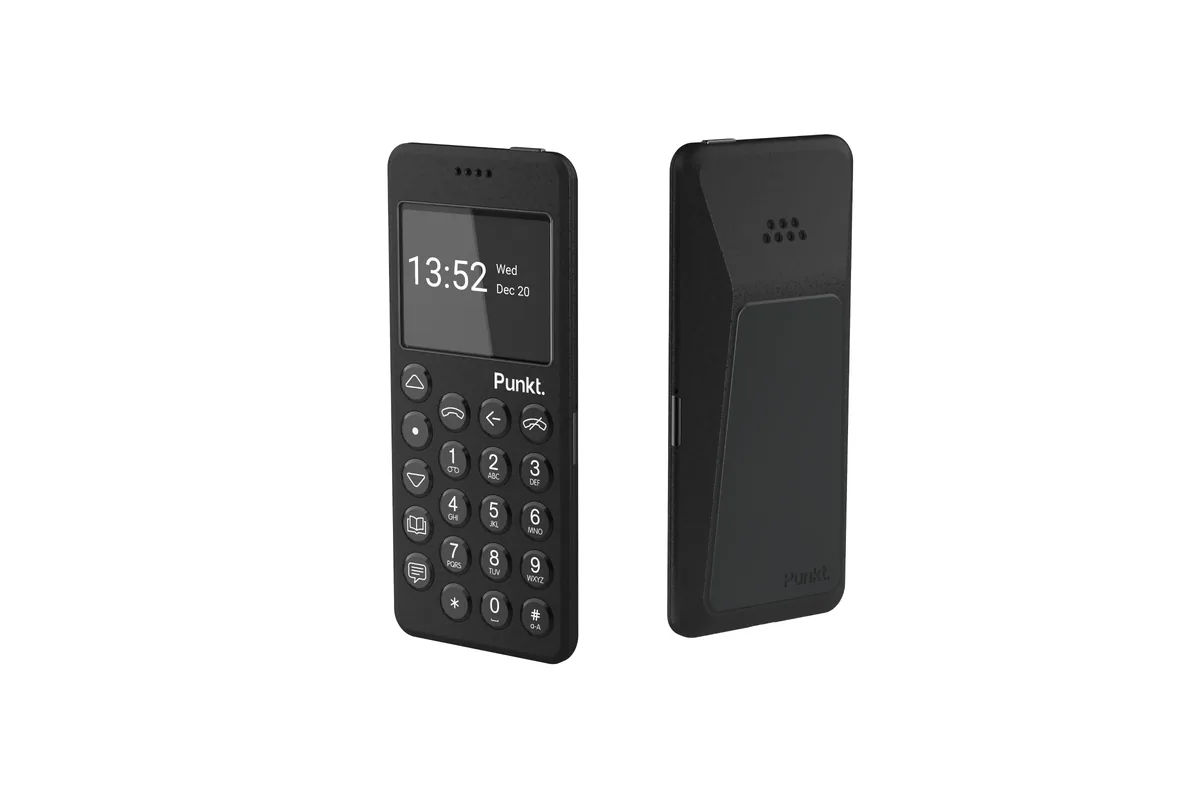
| Punkt MP02 | From CHF 299 | Swiss T9 keypad phone for calls, texts and a hotspot | Pricey for what it does; not compatible with Verizon; check its software update policy |
| Wisephone II | $399 + $39 activation + subscription | Locked-down Samsung with a curated app drawer (WhatsApp, Waze, Spotify) and no browser or email | Subscription from $14.99 a month; sold in the US |
| Light Flip | $299 announced (some listings show $349) | T9 flip with 5G and the same Light tools | Not shipping until April 2027 |
| Sunbeam F1 Pro | From $359 | Rugged flip with optional navigation, hotspot and email models | US only; no RCS messaging |
| Nokia 110 4G or 2780 Flip | Roughly $70 to $100 | Basic feature phones for calls and texts | Little or no navigation; basic cameras |
| Balance OS | EUR 79 a year ($99 in the US) | A locked-down system installed on your own Samsung | Needs a compatible Samsung phone |
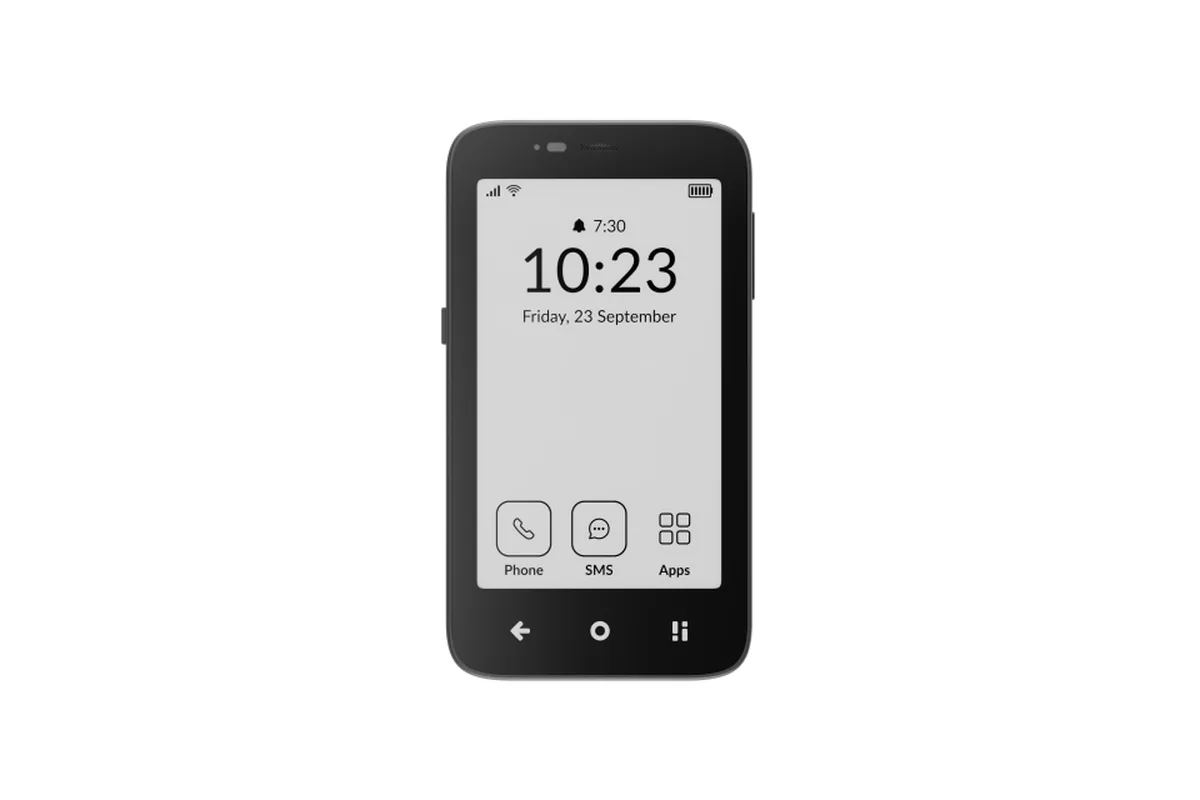
If an E Ink screen is the draw, see our look at the comeback of e-ink gadgets. Mudita's store ships to a set country list (the US, Canada, the UK, much of Europe and Turkiye at last check) and lists a 14-day return window, extended to 30 days during a current promotion.
Dumb Phone vs Minimalist Phone vs a Focused Smartphone
- Dumb phone: calls, texts and little else. Nokia flips and the Punkt MP02 fit here. Cheapest and strictest, but maps and photos are weak.
- Minimalist phone: a purpose-built or heavily curated system that keeps a few modern tools. The Light Phone III and Mudita Kompakt run their own operating systems; the Wisephone II and Balance Phone curate Android.
- Focused smartphone: the phone you already own, with limits. Android's hidden built-in controls and the iPhone's Focus and Screen Time settings cost nothing.
Pick the lightest step that fixes your actual problem.
Why People Want Dumb Tech
It often starts with a friend who swaps an iPhone for a Light Phone and says so without apology, like someone who has finally solved an old problem. Then you notice a physical alarm clock on a colleague's desk, handwritten meeting notes, a film camera in the group chat.
What these devices share is that they are not portals. They do not lead anywhere else, interrupt you or ask for your attention; they are finished when you are. The appeal is subtraction rather than nostalgia: moving one habit at a time, the morning scroll or the bedtime scroll, onto a single-purpose object. For the wider picture, see our pieces on modern retro gadgets and digital detox and JOMO. E Ink writing tablets belong here too, such as reMarkable's Paper Pure, launched in May 2026 at $399 to replace the reMarkable 2.
Try It Without Buying
You do not need to spend hundreds to test the idea:
- Charge your phone in another room tonight and use a basic alarm clock. Notice what you reach for first.
- Write one thing by hand every day for a week, whether a list or an idea.
- Leave your phone behind for one outing: a walk, a coffee or a meal.
- Delete the app you open most out of habit for a month and see what fills the time.
For the honest version of stepping back, read what happens when you quit social media.
Light Phone FAQ
What is a Light Phone?
A Light Phone is a minimalist phone from Light, built to be used as little as possible. It handles calls, texts and a short list of tools such as an alarm, directions and a hotspot, with no social media, browser or email. The current model is the Light Phone III.How much is the Light Phone III?
At last check, Light listed the Light Phone III at $899 unlocked, or from $59 a month on a two-year bundle with Light Service. The price has changed several times since launch, so confirm the live price and delivery date before ordering.What can the Light Phone III do and not do?
It makes calls, sends texts and photos, takes 50 MP photos, and offers directions, a hotspot, weather, music, podcasts, an authenticator and rideshare. It does not offer social media, a browser, email, WhatsApp, streaming or banking apps. The interface is English only.Light Phone vs a basic feature phone?
Basic feature phones such as the Nokia 110 4G cost roughly $70 to $100 and offer T9 calling and texting with long standby, but little or no navigation and only basic cameras. A Light Phone costs several times more for a touchscreen keyboard, 5G, a camera, directions and a hotspot.Does the Light Phone work outside the US, and with which carriers?
It is sold unlocked as one global hardware model, and Light ships internationally with duties and taxes extra. In the US it works with AT&T, T-Mobile, Mint, US Mobile, Noble Mobile and Light's own service. Verizon works only with an existing active SIM. Google Fi, Cricket, Metro, Consumer Cellular, Straight Talk and Tracfone are unsupported, and Light's own service covers only the US and Canada. Light has said it does not work well on Telstra in Australia. Use Light's compatibility checker first, because returns on an unsupported carrier are reportedly refused.What are the best Light Phone alternatives?
The Mudita Kompakt suits anyone who wants an E Ink screen and offline maps. The Wisephone II suits people who need WhatsApp and maps. The Punkt MP02 is the stricter keypad choice, the Light Flip is cheaper but not shipping until April 2027, and Nokia flips are the lowest-cost trial.Is the Light Phone worth it?
Only for a narrow group: people who already want to carry less, can do banking and email elsewhere, and accept a premium price. Everyone else should try software limits, a basic phone or a Mudita Kompakt first.Conclusion
The Light Phone III is the most polished phone of its kind and also the most expensive, so it rewards people who already know what they want to subtract. If that is you, it is a strong choice. If you want the idea at lower risk, the Mudita Kompakt, the Wisephone II or a $100 flip phone each test it for less. Whatever you pick, check your carrier and the return policy before you buy.
Sources checked on 24 October 2026: manufacturer and retailer listings, and reviews and roundups from Vice, Consumer Reports, Engadget, TechCrunch and PauseGadget. This guide is based on published reviews and specs, not our own testing.