For a few years, the smartwatch felt stuck. It sat on millions of wrists counting steps, buzzing with notifications, and mostly serving as an expensive extension of a smartphone. Useful, but not essential. Interesting, but not exciting.
That is changing fast. In February 2026, Reuters reported that Meta is rebooting its smartwatch plan with an aim to debut a device later in the year. Combined with rapid advances in AI, health sensing, and battery efficiency, the smartwatch is entering its most interesting chapter yet. And Meta is far from the only company making a serious move.
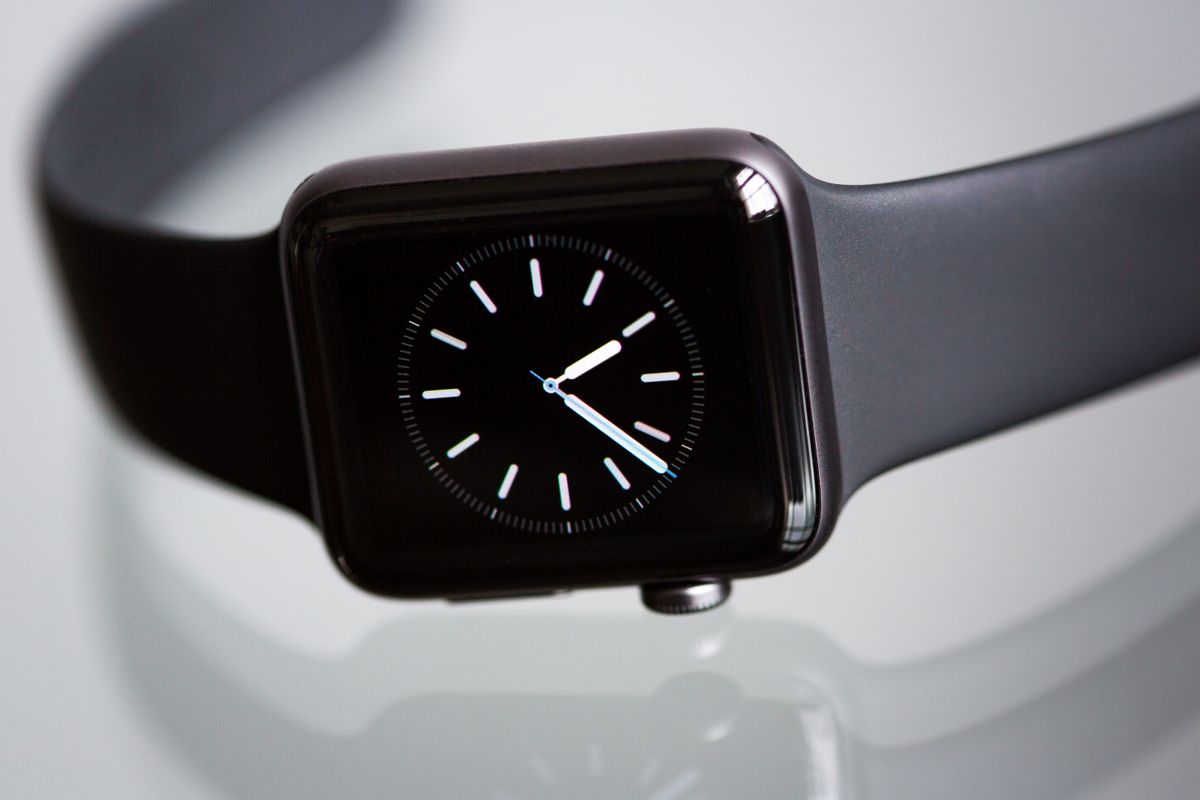
Why the Smartwatch Is Having a Moment Again
The early smartwatch boom was driven by novelty. The second wave was driven by fitness. The third wave — happening right now — is being driven by AI.
The difference is depth. Previous generations of wearables tracked data but rarely helped you understand it. Today's AI-powered watches can detect patterns in your health data, alert you to anomalies, suggest lifestyle changes, and even predict when your stress or sleep quality is about to decline. The device is not just recording numbers anymore. It is learning you.
This shift makes the smartwatch genuinely useful for people who are not fitness obsessives. When your watch notices you have not moved much and your heart rate is elevated, then asks if you are stressed and suggests a two-minute breathing exercise, that is not fitness tracking. That is ambient health support.
What Meta Is Actually Planning
Meta's first smartwatch attempt was quietly cancelled in 2022 before it ever launched. The company has learned from that experience. This time, sources familiar with the project describe a device focused on two core strengths: tight integration with Meta's AI ecosystem and seamless connectivity with the Ray-Ban Meta smart glasses.
The glasses + watch combination makes strategic sense. As we covered in our article on why AI smart glasses could be the next big gadget in 2026, Meta's Ray-Ban glasses already have AI built in but lack a screen. A smartwatch on your wrist could serve as the visual companion — showing information that the glasses whisper to you, and accepting quick touch inputs without reaching for your phone.
This is the ecosystem play: glasses for ambient audio AI, watch for quick glances and health monitoring, phone for everything else. It mirrors exactly what Apple has been building with the iPhone, AirPods, and Apple Watch — but with a different approach to where AI lives in the stack.

How AI Is Transforming Health Tracking
Health tracking used to mean counting steps and estimating calories. In 2026, it means continuous monitoring of dozens of body signals processed by AI that can spot patterns invisible to the naked eye.
Here is what the best AI-powered wearables can now track:
- Heart rate variability — A measure of how your heart's rhythm changes between beats, which reveals recovery quality and stress levels
- Blood oxygen levels — Useful for detecting breathing issues, especially during sleep
- Skin temperature — Can signal illness before you feel sick and helps track cycle health
- Sleep staging — AI can distinguish between light, deep, and REM sleep with surprising accuracy
- Stress detection — By combining multiple signals, watches can identify when you are under significant stress and suggest interventions
- Irregular heart rhythm alerts — Some models can detect atrial fibrillation, a serious heart condition, and prompt medical review
The data becomes most powerful over time. After weeks of wearing a device, the AI builds a baseline specific to you — your normal heart rate, your typical sleep pattern, your usual activity level. Deviations from that baseline are what trigger meaningful alerts.
Voice Assistants on Your Wrist
One of the most underrated features of modern smartwatches is the voice assistant. Raising your wrist and asking a question feels natural in a way that reaching into your pocket never quite does.
In 2026, these assistants are genuinely capable. You can ask your watch to set a reminder, send a voice message, play a specific playlist, call a contact, translate a phrase, check the weather, or control your smart home devices — all without touching your phone.
For students and people with demanding schedules, this ambient assistant capability is particularly useful. If you are curious how AI tools are changing daily routines more broadly, our piece on how AI tools are changing the way students study in 2026 covers the practical side of integrating AI into everyday life.
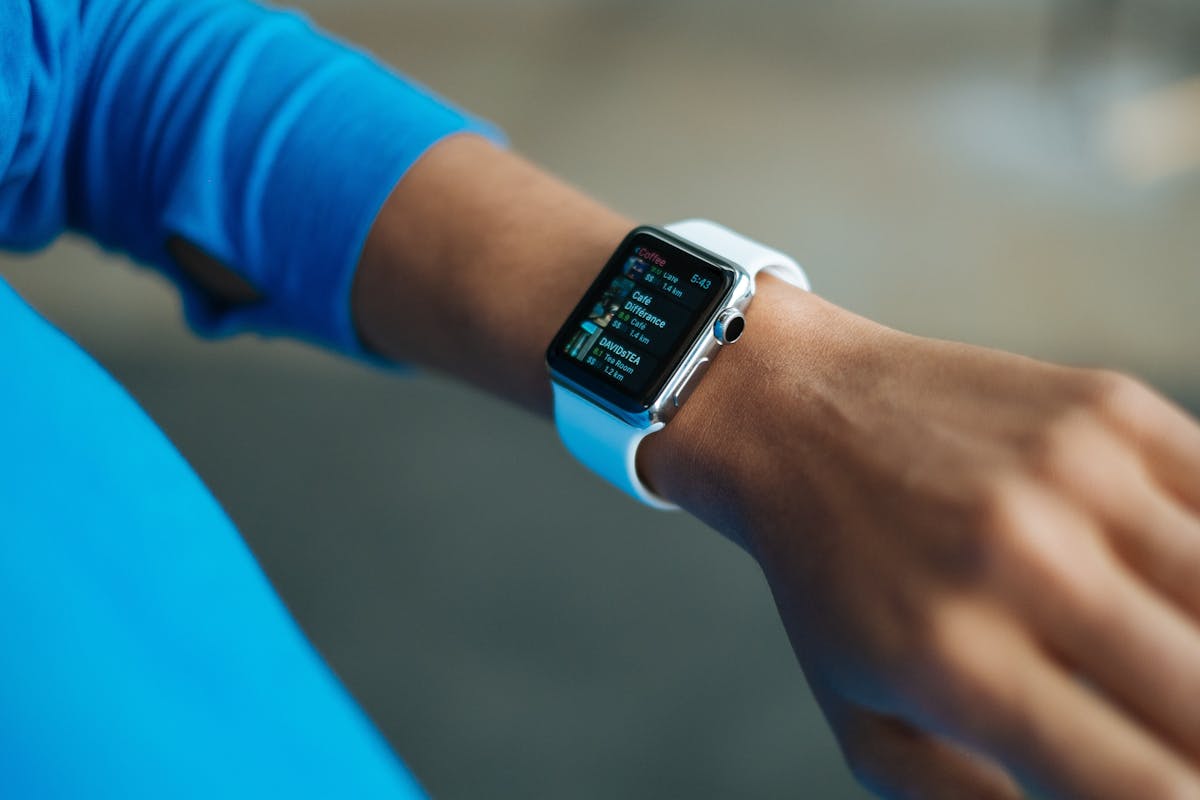
Fitness and Lifestyle: Beyond the Gym
Early smartwatches were gym accessories. Today's wearables are lifestyle devices. The shift is important because it expands the potential audience dramatically.
You do not have to be a runner or a gym regular to benefit from a modern smartwatch. Office workers benefit from movement reminders that protect their posture and cardiovascular health. Parents benefit from stress monitoring during chaotic days. Travellers benefit from sleep tracking across time zones. Older users benefit from fall detection and heart alerts.
The watch is becoming more like a silent health partner than a fitness tracker. It works in the background, learning your patterns, and only speaks up when something actually matters.
How a Smartwatch Fits Into a Bigger Tech Ecosystem
No gadget exists in isolation anymore. The most useful devices in 2026 are the ones that work seamlessly with everything else you own. This is where smartwatches have matured significantly.
A smartwatch can now act as the command centre for your entire digital life. Trigger your smart home lights, lock your front door, start a playlist on your speaker, or navigate to a destination — all from your wrist. When combined with AI glasses or a powerful smartphone, the experience becomes genuinely effortless.
For context on how AI phones are driving this connected ecosystem, our article on why AI phones are becoming the future of smartphones explains how the smartphone is evolving to act as the hub for all these connected devices.

Privacy and Battery Life: The Two Honest Concerns
No technology review is honest without acknowledging the downsides. For smartwatches, two concerns stand out.
First, privacy. A device that continuously monitors your heart, tracks your location, listens for wake words, and logs your sleep patterns is collecting an extraordinary amount of personal data. Where does that data go? Who can access it? These are legitimate questions that users should demand clear answers to before committing to any wearable platform.
Second, battery life. Despite years of improvement, most feature-rich smartwatches still need daily charging. This is a genuine friction point. Competing devices from companies focused on health monitoring can last several days or even weeks, but at the cost of features. The industry has not yet cracked the code on a powerful, AI-rich smartwatch with multi-day battery life.
Frequently Asked Questions
Does a smartwatch work without a phone?
It depends on the model. Many smartwatches can function independently for basic tasks like step tracking, playing music, and making calls if they have a built-in cellular connection. However, most advanced AI features still require a connected smartphone nearby.
Are smartwatches accurate for health tracking?
For most general health metrics like heart rate, steps, and sleep staging, modern smartwatches are reasonably accurate. They are not medical-grade devices and should not replace a doctor's assessment, but they are reliable enough to identify meaningful trends in your health data over time.
What makes Meta's smartwatch different from Apple or Samsung?
Meta's watch is expected to integrate closely with its AI assistant and Ray-Ban smart glasses, creating a wearable ecosystem built around ambient AI rather than just health metrics. It is less about out-speccing competitors and more about creating a new connected product experience.
Should I buy a smartwatch now or wait?
If you need health monitoring or fitness tracking today, current options are excellent. If you are interested in the AI ecosystem angle, waiting until late 2026 when Meta's and others' new devices launch will give you more options at potentially competitive prices.
The Wrist Is the New Battleground
The smartwatch wars are entering their most competitive phase. With Apple, Samsung, Google, Garmin, and now Meta all fighting for the same piece of your wrist, consumers are going to win from the competition. Prices will become more competitive, features will improve faster, and the AI integration will deepen rapidly.
The smartwatch is not a luxury accessory anymore. For a growing number of people, it is becoming a meaningful part of how they manage their health, stay connected, and interact with technology — without ever pulling out their phone.
If the idea of digital wellness appeals to you, our piece on why more people are choosing digital detox and JOMO lifestyles in 2026 explores the flip side — why some people are choosing to step back from always-on technology and what that means for the future of wearables.